DIGITAL SIGNAGE DISPLAY . TRUSS SYSTEM SUPPLIER . 3D POP UP . TENSION FABRIC BOOTH . EVENT MANAGEMENT . PRINTING SERVICES
  • Home
  • Catalog
  • Display Systems
    • Pop up Display
    • Mini Pop Up Backdrop
    • Tension Fabric Wall Display
    • Tension Fabric Booth
    • Portable Wall Backdrop Display
    • Mini Frame Backdrop Truss System
    • Exhibition Truss System
    • Rostrum Stand Display
    • Bunting Stand Series >
      • Roll Up Display
      • X Stand Display
      • L Banner Stand
      • T-Bar Bunting Stand
    • Directory & Sign Stand Display >
      • Message Board Stand
      • Signage Stand
      • Poster / Menu Stand
    • Backdrop Wall Display
    • Human Standee - Cut Out Display
    • Folding Panel Display
    • Brochure Stand - Floor
    • Brochure Holder - Table
    • Table Booth / Counter
    • Promotion Table
    • Easel Stand
    • Display Pillar Tower
    • Flying Flag Banner Flagpole
    • LED Light Box Frame
    • Snap Frame Poster
    • Lightbox Display
    • Canopy & Tent Display
    • Q Stand Queue Up Barrier
    • Portable Stage System
    • Lottery Prize Wheel
    • TV Floor Stand Portable LCD
    • X Class Display
    • Sky Dancer Portable balloon blower with stand
    • Accessories
    • Health & Safety Sign
  • Printing
    • Ryzon Forge Laser Engrave & Cut
    • 3D Printing Services
    • Namecard
    • Flyer Printing A5
    • Flyer & Brochure Printing A4
    • Booklet Printing
    • Poster Printing
    • Bunting Banner Printing
    • T Shirt Printing
    • Custom Print Phone Case
    • Premium Gift Printing Services
    • Lanyard Printing
    • Wall & Glass Sticker Printing & Installation
    • Car Sticker Vehicle Wrap
    • Advertising Material >
      • Foam Board
      • Polycarbonate Board
      • KT Board Polystyrene
      • PP Hollow Board
      • PVC Sheet
    • Shell Scheme Wall Panel Printing
  • Event Management
    • Exhibition Booth Rental
    • Play Access >
      • Tabletop Game Dungeons & Dragons
      • Rent Nintendo Switch
      • Rent PlayStation 5 PS5
      • Rent PICO VR Headset
      • 360 Spinner Photobooth
      • Mascot Design Services
    • SEGO.COM
    • Design Services
    • Product Launching Event
    • Shell Scheme Booth
    • Roadshow Event Organizer
    • Inflatable Arch Tent Balloon
    • Digital Signage Screen Display
    • LED Screen / Sound & Light
    • PA Sound System Rental
    • Live Streaming Services MCP
    • Light GOBO Projector
    • 3D Hologram Fan
    • Photo Booth Services
    • iPad Tablet Floor Stand Holder
    • Sanitizer & Disinfectant Product Supply
    • Laser Engraving Workshop Course
    • Chair & Bar Stool
    • Table For Rent
  • Clients
  • Upload
  • 360°
  • FAQ
    • Request Quotation
    • 360' Blog
    • About Us
    • Web Catalog
    • Business Profile
    • Payment
    • Ai Helper NEO
    • Social Media Pages
    • Tutorial & How to Setup
    • How to Create Outline in Adobe?
    • What is Printing's DPI
    • RGB VS CMYK
    • Pantone Colour Chart
    • Backdrop Comparison
    • Download
    • Test Ground
    • Agent / Reseller
    • Job Vacancy / Internship
    • Terms & Conditions
    • Job Vacancy / Internship
    • Sitemap
  • Contact

List of Popular Types for Paper Sizes and Materials Commonly Used Across the World - Craft, Packaging, Writing, Book, Hygiene and Currency

4/20/2026

0 Comments

 
Author: Kyzson
Despite the rapid growth of digital media, paper remains an essential part of everyday life and business operations around the world. From household, office documents, brochures, packaging, books, and magazines to name cards and product labels, paper continues to serve practical, professional, and marketing purposes across many industries. Different paper sizes and materials are designed for specific uses, helping businesses choose the right format for printing, packaging, advertising, and communication.

Understanding the most common paper sizes and materials is important for designers, printers, marketers, and business owners. Standard paper sizes such as A4, A3, Letter, and Legal are widely used for documents and promotional materials, while paper types such as art paper, kraft paper, ivory card, and corrugated board are commonly selected based on durability, appearance, and printing requirements.
PRINTING WITH RGB VS CMYK
WHAT IS DPI?
Picture
Paper Size Reference Guide
ISO 216 Standard — A Series, B Series & C Series | Dimensions in mm & inches
A SERIES — Most common for office, print & display
Size Dimensions (mm) Dimensions (inch) Common Usage
A0 841 × 1189 33.1 × 46.8 Architectural drawings, large posters, technical plans
A1 594 × 841 23.4 × 33.1 Exhibition banners, flip charts, large format ads
A2 420 × 594 16.5 × 23.4 Posters, signage, wall displays
A3 297 × 420 11.7 × 16.5 Brochures, tabloid printing, spreadsheets
A4 ★ 210 × 297 8.3 × 11.7 Most used — office documents, flyers, reports, letters
A5 148 × 210 5.8 × 8.3 Notepads, booklets, flyers
A6 105 × 148 4.1 × 5.8 Postcards, greeting cards, namecards
A7 74 × 105 2.9 × 4.1 Small notes, pocket diaries, vouchers
A8 52 × 74 2.0 × 2.9 Business cards, labels, tickets
B SERIES — Slightly larger than A, used for books & posters
Size Dimensions (mm) Dimensions (inch) Common Usage
B0 1000 × 1414 39.4 × 55.7 Very large posters, maps, technical drawings
B1 707 × 1000 27.8 × 39.4 Large banners, posters, exhibition displays
B2 500 × 707 19.7 × 27.8 Poster printing, presentation boards
B3 353 × 500 13.9 × 19.7 Newspapers, sketching, magazines
B4 250 × 353 9.8 × 13.9 Magazines, brochures, notebooks
B5 176 × 250 6.9 × 9.8 Books, catalogs, diaries
B6 125 × 176 4.9 × 6.9 Pocketbooks, personal organizers
C SERIES — Envelope sizes designed to fit A-series sheets
Size Dimensions (mm) Dimensions (inch) Common Usage
C0 917 × 1297 36.1 × 51.1 Envelopes for A0 sheets
C1 648 × 917 25.5 × 36.1 Envelopes for A1 sheets
C2 458 × 648 18.0 × 25.5 Envelopes for A2 sheets
C3 324 × 458 12.8 × 18.0 Envelopes for A3 sheets
C4 229 × 324 9.0 × 12.8 A4 unfolded envelopes, mailers
C5 162 × 229 6.4 × 9.0 A4 folded-once envelopes
C6 114 × 162 4.5 × 6.4 A4 twice-folded envelopes, greeting cards
DL ★ 110 × 220 4.3 × 8.7 Standard — window envelopes, invitations
ISO 216 Rule: Each size is exactly half the area of the size above it (e.g. A5 = half of A4).  |  ★ = most commonly used size in that series.  |  Manxeon prints A6 to A1 & custom formats — View Printing Services →

Paper Characteristic and Usage

  1. Bond Paper - Used for office printing, photocopying, reports
  2. Art Paper / Coated Paper - Used for brochures, catalogues, magazines
  3. Matt Paper - Used for flyers, menus, posters
  4. Gloss Paper - Used for marketing materials, photo printing
  5. Ivory Card - Used for premium packaging, certificates
  6. Simili Paper - Used for cheaper version of flyer, books, notebooks, forms
  7. Kraft Paper - Used for packaging, paper bags, wrapping
  8. Duplex Board - Used for product boxes, cartons
  9. Corrugated Paper Board - Used for packaging or shipping cartons
  10. Newsprint - Used for newspapers
  11. Tracing Paper - Used for design sketches, architectural tracing
  12. Tissue Paper - Used for wrapping, decorative packaging
  13. Synthetic Paper - Used for waterproof labels, bunting banner and outdoor signage prints
  14. Recycled Paper - Used for eco-friendly printing and packaging

Commercial paper types ranked from most to least popular


2025 Data

Printing & Writing Packaging Specialty Newsprint
Paper types by popularity: Packaging/Containerboard, Office/Copy paper, Coated paper, Tissue paper, Kraft paper, Newsprint, Cardstock, Specialty paper, Thermal paper, NCR paper.

History of Paper Invention

Paper was first developed in ancient China. Early forms existed before the 2nd century BCE, but the Chinese court official Cai Lun is traditionally credited with refining papermaking around 105 CE. He improved the process using tree bark, hemp, old rags, and fishing nets, making paper cheaper and easier to produce than bamboo slips or silk. Paper technology later spread to the Islamic world, then to Europe, eventually becoming one of the most important inventions in human history. 

History of Paper Sizes

Modern paper sizes are largely based on the ISO 216 standard, which uses the A, B, and C series. The concept began in 1786 when German scientist Georg Christoph Lichtenberg proposed a paper ratio of 1:√2, which keeps the same proportions when folded in half. Germany later standardized this as DIN 476 in 1922, and it eventually became the international ISO 216 standard in 1975. A4 became the most widely used paper size globally.

Paper size visual comparison chart with high contrast labels — A B and C ISO series

Paper Size Visual Chart
ISO 216 — True proportional scale · High contrast view
MANXEON.COMPrinting & Display
9
sizes in A series
841×1189
A0 largest (mm)
52×74
A8 smallest (mm)
260×
area ratio A0→A8
A0
841 × 1189 mm
33.1 × 46.8 inches
Architectural drawings, large posters
A1
594 × 841 mm
23.4 × 33.1 inches
Exhibition banners, large format ads
A2
420 × 594 mm
16.5 × 23.4 inches
Posters, signage, wall displays
A3
297 × 420 mm
11.7 × 16.5 inches
Brochures, tabloid, spreadsheets
A4
210 × 297 mm
8.3 × 11.7 inches
Office docs, flyers, reports — most used
A5
148 × 210 mm
5.8 × 8.3 inches
Notepads, booklets, flyers
A6
105 × 148 mm
4.1 × 5.8 inches
Postcards, greeting cards, namecards
A7
74 × 105 mm
2.9 × 4.1 inches
Notes, pocket diaries, vouchers
A8
52 × 74 mm
2.0 × 2.9 inches
Business cards, labels, tickets
A Series — ISO 216
White text on coloured fill · yellow = mm · light = inches
A0 is 260× the area of A8
Each size = half the area of the one above — A4 is half of A3, A3 is half of A2 manxeon.com

My Final Take and 2Cents

Although digital media dominates modern communication through websites, social media, online advertising, and mobile devices, paper still offers advantages that digital platforms cannot fully replace. Printed materials provide a physical experience, stronger brand presence, and higher perceived value. Packaging, catalogues, brochures, menus, business cards, and premium printed materials often create a more lasting impression than digital visuals alone.

​Today, paper and digital media work together rather than compete against each other. Businesses commonly use digital platforms for speed, convenience, and global reach, while paper remains valuable for branding, packaging, retail displays, printed marketing materials, and face-to-face communication. As a result, understanding paper sizes, materials, and their applications remains highly relevant in the current world.
Click to set custom HTML
0 Comments

Why Event Backdrops Matter: How to create Professional and Memorable Scene - Secret Tips for Event Planners, Exhibition and Roadshow Organizers

4/8/2026

0 Comments

 
Author: Kyzson

What Is an Event Backdrop and Why Is It Important for You?

Picture
An event backdrop is a large printed graphic display placed behind a stage, booth, or focal area of an event. These backdrops typically feature branding elements, logos, event themes, sponsor graphics, or promotional messaging.
Backdrops can be made from materials such as:
  • Tension fabric displays
  • Vinyl Tarpaulin or PPH Synthetic banners
  • Modular truss display walls
  • Printed Shell Scheme panels
They are commonly used at:
  • Conferences, workshop and seminars
  • Product launches, Exhibitions and trade shows
  • Media Press conferences
  • Red carpet events
  • Corporate presentations
Their primary purpose is to create a visually appealing background that communicates brand identity and event messaging.

Truss System Display

Backdrop Wall Display

Tension Fabric Backdrop

Shell Scheme Booth

1. Strengthens Brand Visibility

One of the biggest advantages of using event backdrops is strong brand exposure. A well-designed backdrop prominently displays your company’s:
  • Logo
  • Tagline
  • Corporate colors
  • Marketing visuals
This ensures that your brand remains visible throughout the event, especially in photos, videos, and media coverage.
For example:
  • A step-and-repeat backdrop repeatedly displays brand logos during photography sessions.
  • A stage backdrop reinforces branding during presentations or speeches.
This continuous exposure helps audiences associate the event experience with your brand identity.
​
Practical and important Tip:
Always place your logo at eye level and ensure high-resolution printing so it remains clear in photos and video recordings.

Creates a Professional and Polished Event Environment

Professional presentation is essential for corporate events and exhibitions. A well-designed backdrop can transform a plain venue into a visually structured event space.

Without a backdrop, a stage or booth may look incomplete or unorganized. With a backdrop:
  • The stage area looks structured
  • The environment appears more premium
  • The event looks professionally managed
This visual polish is particularly important for:
  • Corporate conferences
  • Government events
  • Product launches
  • Media press events
A strong visual environment builds credibility and enhances audience trust in the brand or organizer.
​
Practical and important Tip:
Use consistent colours, fonts, and graphic elements that match your company’s branding guidelines.

3. Enhances Photography and Media Coverage

Events often generate a large number of photographs and videos, especially during:
  • Media coverage
  • Award ceremonies
  • Networking sessions
  • Social media sharing
An event backdrop ensures that every photo taken at the event reinforces your brand.
This is why step-and-repeat walls are commonly used in:
  • Red carpet events
  • Press conferences
  • Corporate award nights
When guests take photos in front of a branded backdrop, the images become free marketing content shared across social media platforms.
​
Practical and important Tip:
Create a dedicated photo area with lighting and a branded backdrop to encourage attendees to take photos and share them online.

4. Helps Define Event Spaces and Focus Attention

Large venues can often appear visually cluttered or confusing. Backdrops help define key event zones and guide audience focus.
For example:
  • Stage backdrops help focus attention on speakers and presentations.
  • Booth backdrops highlight exhibition and display areas.
  • Photo backdrops mark designated photography spots.
  • Game backdrops create dedicated spaces for interactive activities and visitor giveaways.
By visually framing important sections, backdrops help audiences understand where to look and wh ere activities are happening.
​
Practical and important Tip:
Use large, bold graphics with clear messaging that can be easily seen from a distance. This improves the overall flow and organization of the event space.

5. Supports Marketing and Promotional Messaging

Event backdrops are also valuable marketing tools. They can communicate:
  • Campaign slogans
  • Product launches
  • Event themes
  • Sponsor logos
  • Promotional messages
Instead of relying solely on brochures or screens, backdrops provide large-scale visual communication that attendees immediately notice.
This is particularly effective for:
  • Trade show booths
  • Product demonstrations
  • Brand activation campaigns
Because backdrops are often placed in central locations, they ensure that key marketing messages remain visible throughout the event.
Practical Tip:
Avoid overcrowding the backdrop design. Focus on one primary message or theme for maximum visual impact.

​Practical Tips for Designing Effective Event Backdrops

To maximize the impact of your event backdrop, consider these professional planning tips:
  1. Use High-Resolution Graphics, Always design artwork at high resolution (at least 150–300 DPI) to avoid pixelation when printed at large sizes.
  2. Maintain Brand Consistency and Ensure colours, fonts, and graphics match your corporate identity or event theme.
  3. Consider Viewing Distance - Large venues require bigger text and simplified designs so visuals remain readable from afar.
  4. Choose the Right Material, Popular options include: Fabric tension displays (smooth, premium look), Vinyl banners (durable and cost-effective)
  5. Modular panels (reusable for multiple events) Example >>
  6. Plan Lighting Carefully - Good lighting enhances the appearance of the backdrop and ensures it looks great in photos and videos.

My Final Take and 2Cents

Event backdrops are far more than decorative elements—they are essential tools for branding, communication, and visual impact.
A well-designed backdrop helps:
  • Strengthen brand visibility
  • Create a professional event atmosphere
  • Enhance photography and media exposure
  • Define event spaces
  • Deliver powerful marketing messages
For event planners and organizers, investing in the right backdrop design can significantly improve the overall presentation and effectiveness of an event.
​
Whether it is a corporate conference, exhibition booth, roadshow, or product launch, a professionally designed event backdrop ensures that your event looks organized, memorable, and brand-focused.
0 Comments

Ryzon Forge Premium Customization

3/11/2025

0 Comments

 
Picture
At Ryson Forge, we turn automotive accessories into personalized statements. Specializing in laser engraving customization, we bring your vision to life by engraving logos, signatures, and branding elements with precision and durability.

Whether you’re looking to personalize OEM automotive accessories or add a unique touch to your ride, our state-of-the-art laser technology ensures crisp, long-lasting engravings on a variety of materials. From custom badges and shift knobs to key fobs and trim pieces, we tailor every detail to your exact specifications.

At Ryson Forge, we combine craftsmanship, innovation, and passion for automotive excellence to deliver top-tier customization that stands out. Your car is an extension of your identity—make it truly yours with our premium engraving services.

Your vision. Your brand. Your style.
Ryson Forge

​

CATALOG
0 Comments

Custom Wallpaper, Wall Sticker Printing and Installation Services for Home, Office, Restaurant, School in Malaysia

5/5/2018

15 Comments


​Custom Wallpaper, Wall Sticker Printing and Installation Services for Home, Office, Restaurant, School in Malaysia

Picture
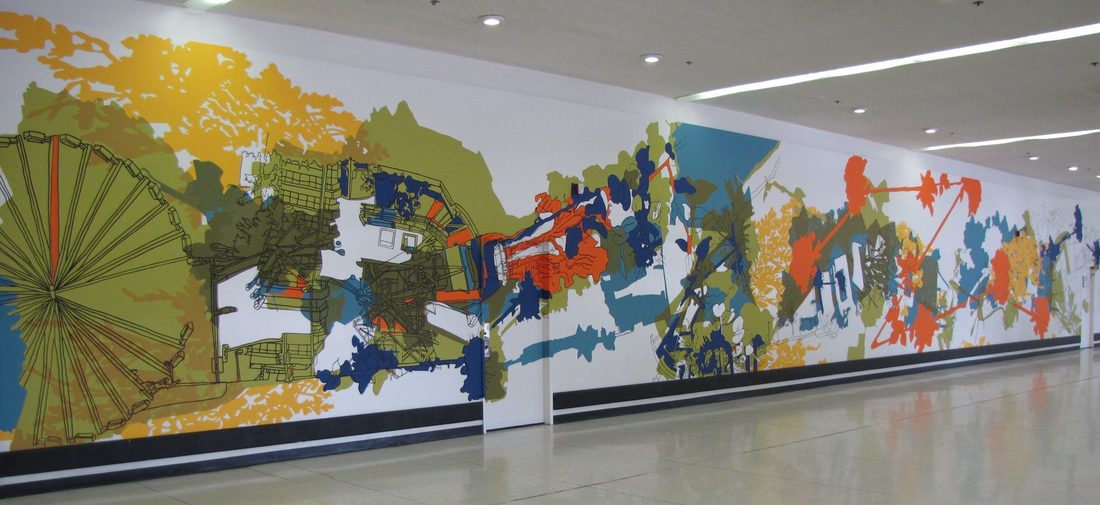
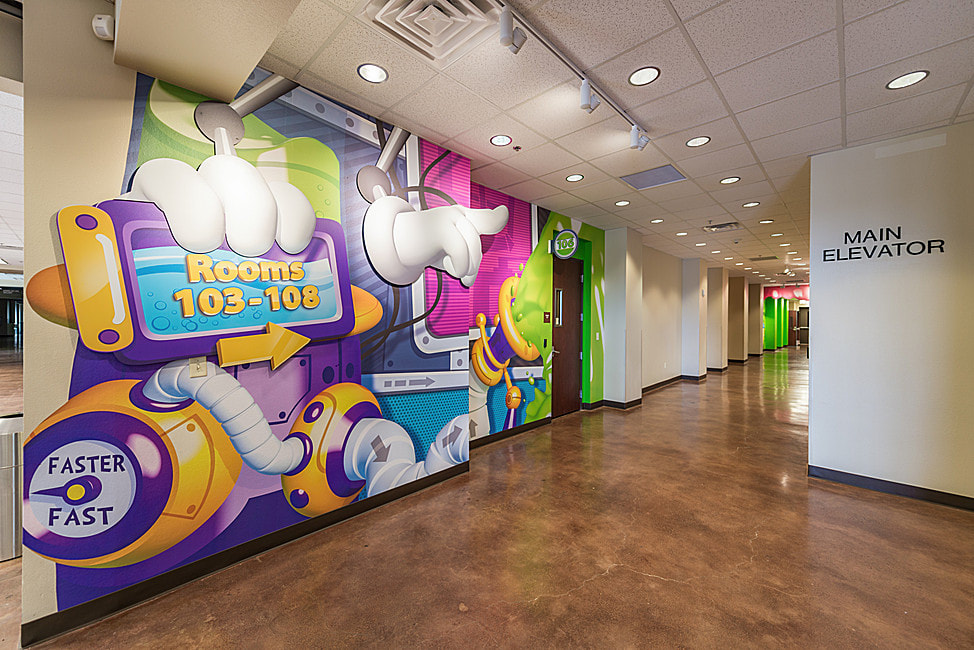
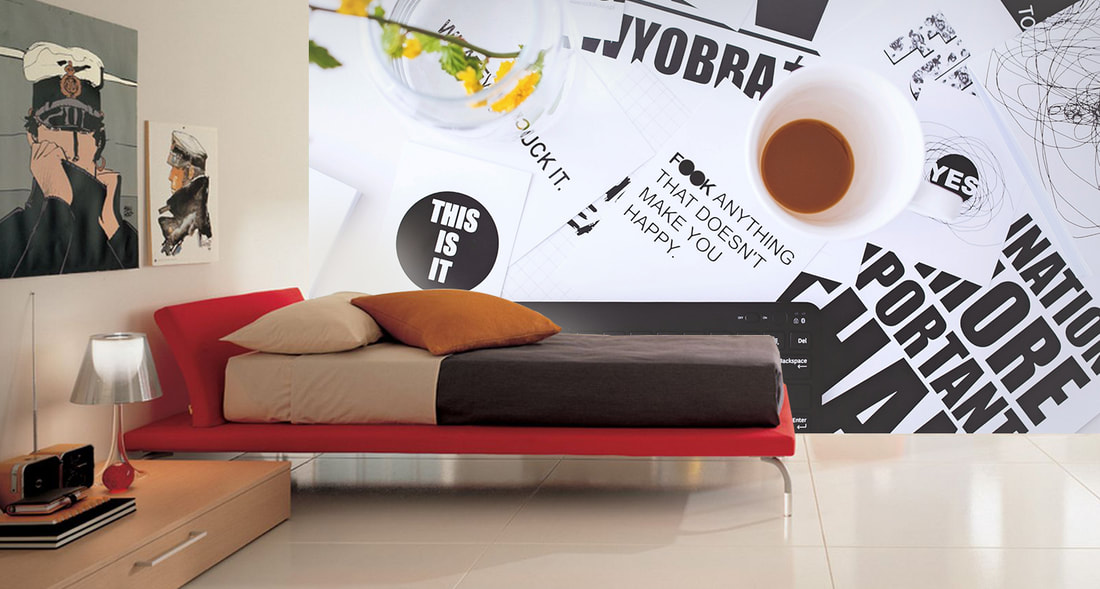
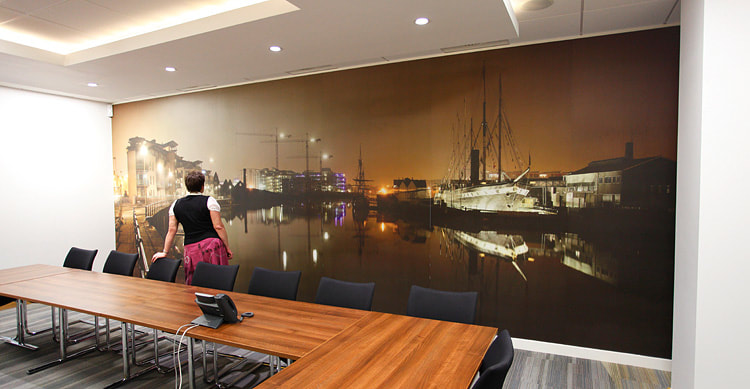
Bring out the visibility of your brand with our wall sticker printing service that is a lot better as compared to the conventional painting costs. Also, enhance the look of your home, shop and business office with our excellent and high quality wall sticker printing services.

Most people find that the best thing about vinyl wall stickers is the fact they can be easily attached to almost any wall. Not only are they easy to attach, you can take them down just as easily. The most effective way to display your company message and design.

Our all sticker will usually last 3 years on an exterior surface – a lot longer on an interior wall depending upon the environmental conditions, temperature etc. Our products outperform cheap wall stickers; last longer and look better because our removable wall decals and stickers are manufactured from the highest quality vinyl and adhesives.


Note:For large / bulk order please email us for price negotiation.
Wall Mural Sticker Installation Coverage Area, KL, PJ, Damansara, Mont Kiara, Sri Hartamas, Shah Alam, Kajang, Seri Kembangan, Putra Jaya, Cyber Jaya, Cheras, Serdang, Bangi, Subang Jaya, Klang, Sri Petaling, Kepong, Ampang, Setapak, Wangsa Maju, Melawati, TTDI, Semenyih, Kajang, Serdang, Batu Cave, Pudu, Bukit Bintang, sungai Besi,
Contact Us
15 Comments

ToFu, MoFu, BoFu: Marketing Acronyms That Help PRs or Company's Performances

2/11/2018

0 Comments

 
​This is a guest post by Scott Yates. Scott is the CEO of BlogMutt, and is a former writer and PR pro. He also doesn’t like tofu. In the same way that American Airlines and Alcoholics Anonymous are radically different yet share an acronym, now vegetarians and Asian bean curd fans need to share the word “tofu” with marketers using “ToFu.”
Picture
It’s short for “Top of Funnel” and MoFu and BoFu then are the middle and bottom of the funnel. It’s the shorthand way of talking about prospects, and where they are in the decision making process. No matter what a company is selling, there are people who are in some stage of making a buying decision, and in nearly all cases the prospects can be divided into those three groups.

How does this relate to PR?
Well, there once was a time when PR was just related to the interplay between an organization and the press. We don’t have to tell you that those days are over. The “press” has been completely turned inside out, so now one customer review on Amazon can have as much impact as a story on the NBC Nightly News.
​
Where success in the old days was clipping out a newspaper article with a favorable mention and taking it to your boss, now PR professionals need to show success that is tightly integrated with your organization’s overall growth goals in mind.
So, here are some tips for each stage of the funnel:

​ToFu: The sweet spot for good PR

Picture
The greatest sales team in the world can’t close deals if they don’t have leads. Every organization needs prospective buyers to find out, at a minimum, the name of the company and what the company is selling.
If you are lucky enough to work for Burger King or Sony then your job is more nuanced. For most of us, the competition isn’t really other companies doing the same thing, it’s potential customers who just want to keep the status quo and not do anything different ever.

And those potential customers can keep the status quo if they don’t know there’s an alternative. That’s why your job is to do great PR. With tremendous effort, careful planning, and exuberant execution, you can pierce the bubble that people create around themselves and let them know that your solutions exist, and that they have a name. This blog is full of tips of how to do all that.
​
When you do, be sure to let your boss know. Do not tell your boss that you had a PR victory, even if you did. Say that you’ve helped fill that Top of the Funnel. That nuanced difference will make all the difference in the company’s view of you.

​MoFu: Educate, inform, entertain

Picture
As someone who can write press releases, you’ve probably also been asked to write blog posts.
Ugh.

​It’s true, writing blog posts is an entirely different animal, and if you can’t do it, fear not! There are content writing services out there.

But don’t underestimate the power of a blog. There are three things that a blog can help you with that nothing else comes close to:
  1. Search. All the experts are very clear that blogging is really the only “trick” left in the world of Search Engine Optimization.
  2. Small Talk. Prospective customers want to know if you are able to solve their problems, but they also want to know that you are friendly and accessible. When you meet someone in person you don’t launch into a sales pitch… you make some small talk first. A blog is the internet version of that.
  3. Currency. Many prospects, when comparing you to competitors, just want to see that you are active and engaged in your business. If your competitor’s blog is three months out of date and you blogged yesterday, you have a huge leg up.
It’s not classic PR, but if you can help those prospects move through the Middle of the Funnel with some great content, you’ll be a valuable part of this crucial aspect of your company’s sales funnel.

​BoFu: Best tip you’ll read all week

Picture
Traditionally PR is not involved in closing the sale. That’s just the way it is. Want to be a standout PR person beloved by the sales team? Here’s a tip that will make you a hero.

Once a month or so, just wander over to the desk of a salesperson and ask them this question: “What’s an objection that you get in the sales process, and what’s your response?”

Why do you want to know that? Here’s why: The objection — with a bit of editing — will make a fabulous blog headline. The answer — with your deft hands at the keyboard — will make a great blog post.
​
When the salesperson sees that post, they will look so smart and they will give you lots of credit.

Resources ​https://www.cision.com/us/2014/08/tofu-mofu-bofu-marketing-acronyms-that-help-prs/
0 Comments

Trade Show Booth Design Tips: How to Ensure Your Business's Event Booth Success and Rememberable

1/27/2018

13 Comments

 
Sources: https://blog.enplug.com/trade-show-booth-design-tips-inspiration
Repackage Editor: Chris Kyzson
FOLLOW
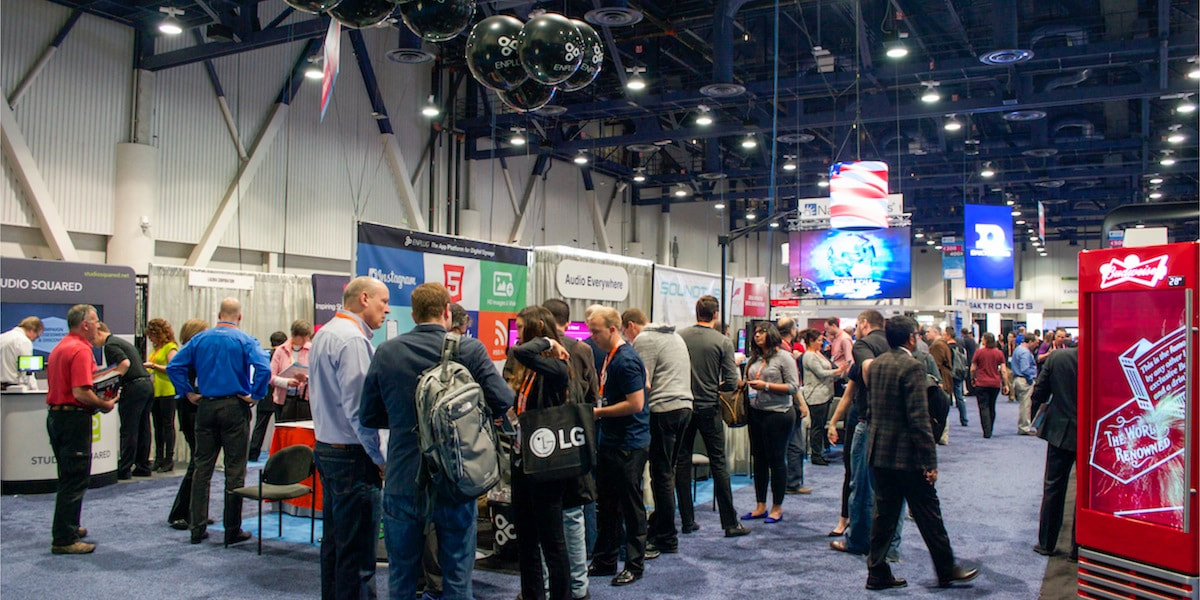
If your company is exhibiting at a trade show soon (especially for the first time!), you might be wondering what the best practices for trade show booth design are. As recent first-time exhibitors at one of the largest trade shows in Las Vegas, the Digital Signage Expo, we’ve learned a few things about what makes for a successful trade show booth. Not only do we think we did a great job with our own setup, but we learned a ton from the other exhibitors, as we’ll show below.
Here are 10 trade show booth design tips to make the most out of your event.
Picture
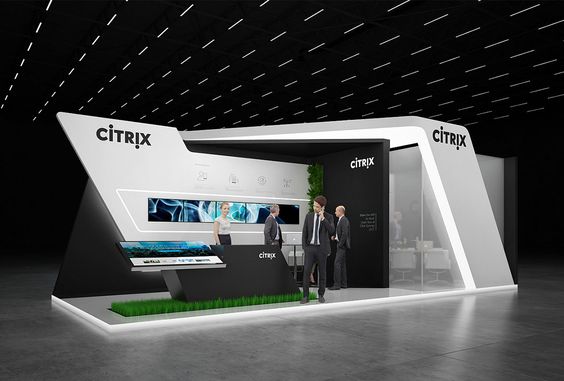
Image: ​https://gmstanddesign.com/portfolio/citrix/

​1. Stay on-brand from top to bottom

​You know how you know Google is Google at an event as large as DSE? Well, they had one of the biggest booths there, but their branding was consistent throughout their entire booth area. All-white kiosks and walls displayed content that was bright and engaging, and scattered across the floor were colorful chairs that matched the iconic logo. When exhibiting, make sure your brand’s theme is consistent across all your design materials, from banners and images to freebies and more.
Picture
Image: ​http://banburywalker.com/portfolio/smith-nephew/

​2. Tell people exactly what you do.

Unless you’re Google or Apple, don’t assume people know who you are and what you do. That’s especially true for smaller companies, like the startup ScreenFeed. At DSE, you didn’t need to talk with a sales rep to learn about their offerings—it’s right on the banner behind them. (“We take raw ingredients from the best content sources in the world to handcraft beautiful, ready-made content feeds…”) This likely saved them from repeatedly having to explain what they were about and allowed attendees who were genuinely interested in them to ask more specific questions.
Picture
https://www.behance.net/gallery/27420943/Essance

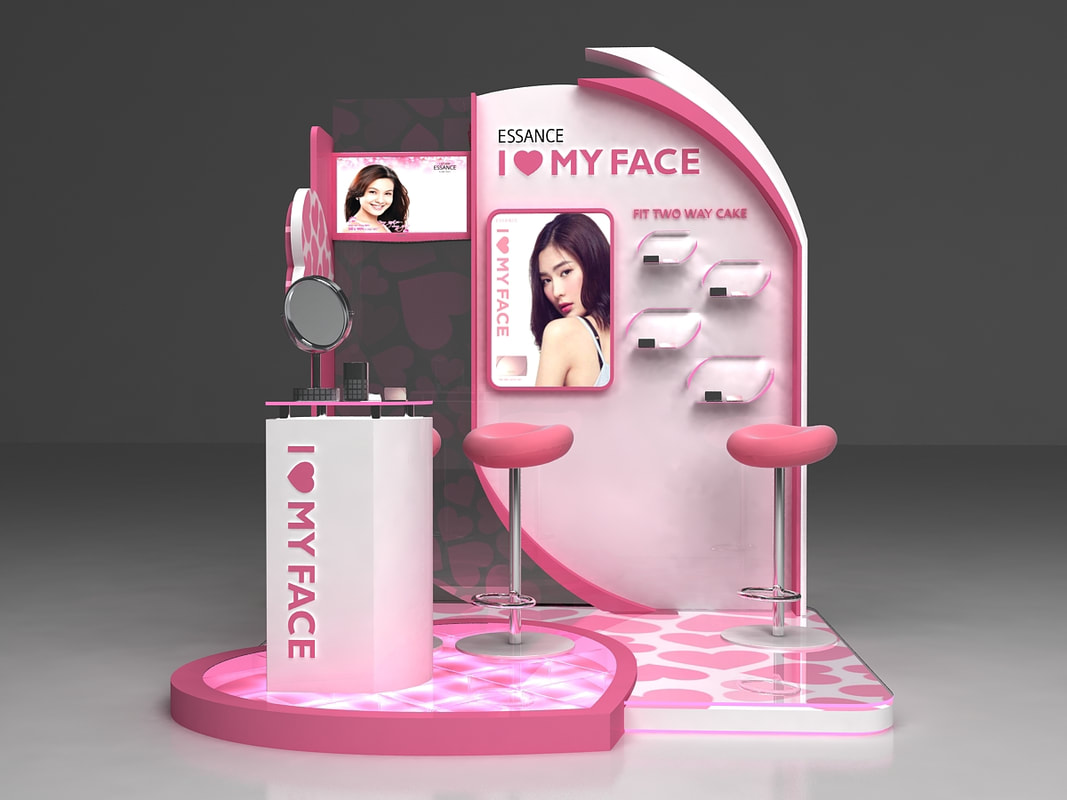
3. Stand out. Be Different

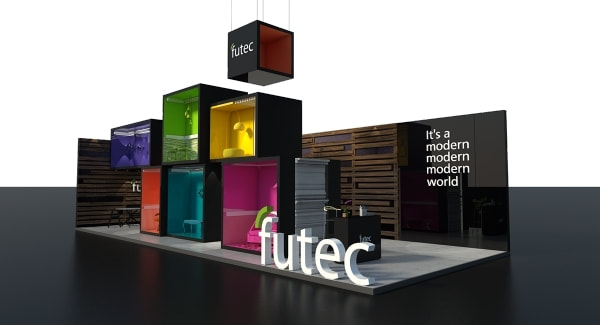
Colour, shape and idea helps that a bright orange is on-brand for Ayuda, there are other ways to stand out. Intel had several demos for people to gather around and interact with, engaging passersby to stop and check out their Internet of Things displays. There are many ways your booth can stand out—don’t underestimate the power of bold design and engaging attendees in a non-salesy way.
Picture
https://i.pinimg.com/

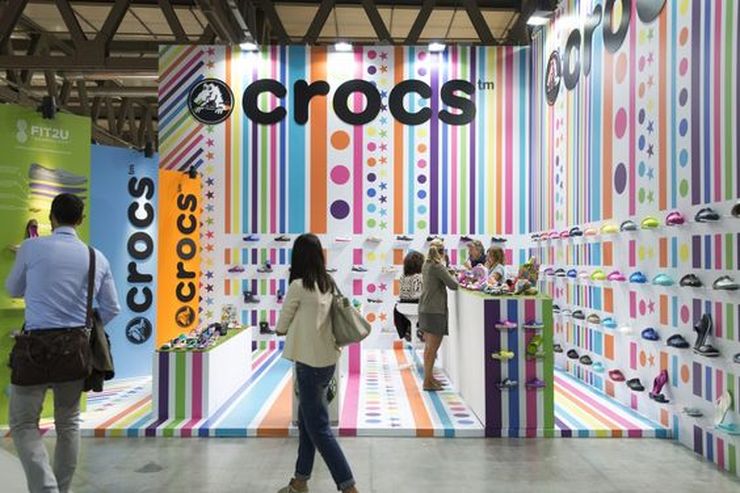
4. Be playful. Don't too Stiff and Boring

Any industry trade show has the potential to become repetitive or even boring if all the booths look and operate the same. Rather than run the risk of causing their eyes to glaze right over your booth, give attendees something they can play and have fun with. Intel had a station where anyone could remix Ne-Yo’s latest single and control the lights as he performed on-screen. MultiTaction had a digital air hockey table anyone could battle it out on. Elevate encouraged people to take selfies with a display that superimposed cats and Homer Simpson’s face on their heads. That’s way more engaging than just another pretty image on a screen. How can you turn your product into a game or your booth into a venue? Get creative.
Picture

​5. Put your name on it.

​ If you want to be remembered, put your name on your product, your booth, your freebies and anything else people can see or hold. See Samsung and Planar? Of course you do—their names are plastered all over their exhibits. They don’t take their instantly recognizable brand names for granted. They make sure you know who and what you’re looking at. Don’t make people search for your company name as they walk by your booth—they certainly won’t ask.
Picture
https://www.eldee-messebau.de

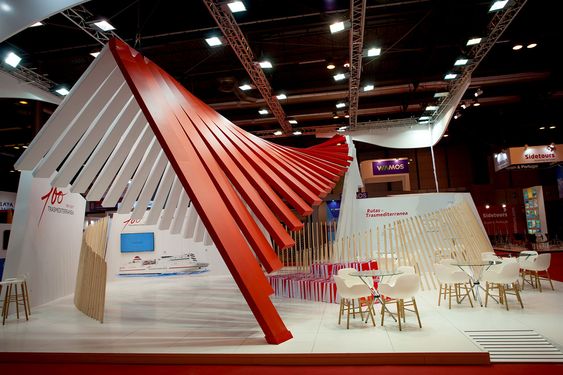
​6. Give something away.

We’re not talking junky swag that’ll go straight in the hotel room trash can, but something attendees will actually use and want. LG-MRI’s ThruVu cooler was stocked with water and soda. Ayuda had a movie theater-style popcorn cart people could grab a snack from. Other vendors still had free coffee and beer (much appreciated by attendees, we can assure you). Tired, hungry or bored attendees will be grateful for the pick-me-up.
Picture

7. Go with the unexpected.

Want to catch attendees’ eyes or make them do a double-take? Put something that doesn’t belong in the middle of your exhibit space, like Verifone Media did with a car covered in text. It makes sense for their brand, too, because their OOH appears in taxi cabs, gas stations and transit vehicles. Whatever your technique, try not to be too gimmicky, but instead aim to inspire wonder, amusement or—best of all—a need-to-know response that inspires attendees to ask you questions.
Picture
httpwww.acciona-apd.comp=4773

​8. Set a scene.

Along similar lines, you could create an entire scene with its own vibe, like Stampede did with their Western-themed space. Stampede’s main product is its Big Book of AV—something the exhibitors themselves admit is not exciting in and of itself. So they built up a unique experience for visitors with cowboy hats, hay bales and beer, and suddenly a catalog became a destination—and a lot more interesting. If your booth were a place, what would it be?
Picture

​9. Make the most of your space.

Whether you have a small booth or a large one, you can maximize every square foot to your advantage. Enplug’s booth was located in the Innovator Zone, where booths are just 5×8 feet. With little space to work with, we made the most of it by hanging up a colorful banner behind us showing off the apps available in our app market. We even took advantage of the high ceilings and tied nearly a dozen three-foot-wide balloons to the booth to create an even grander looking space. It worked—we could easily spot our booth from afar.
Picture
https://pinthemall.net/pin/55f2da74ab6f0/

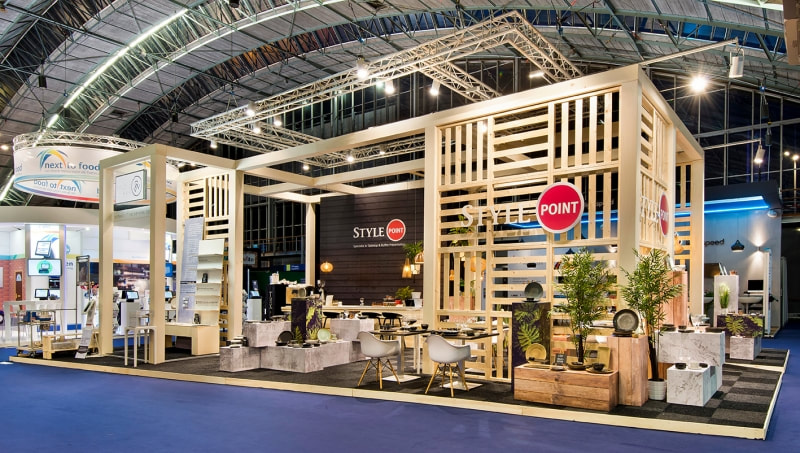
​10. But keep it uncluttered.

Larger booth, doesn’t mean you need to filled up every available square foot just because they could. Make the booth Booth sleek, uncluttered and attractive, and they applied the design principle of using negative space to their advantage. Less is more, as they say.
Picture
https://i.pinimg.com/originals/0c/5c/54/0c5c54f92ce8536b517c172c47691441.jpg
13 Comments

How to Start Freelancing With No Experiance

6/14/2013

0 Comments

 
Picture
The freelancing industry enjoyed impressive growth in the past several years.

In 2011, the Financial Times (UK) reported a 12% growth in the number of freelancers from 2008. Popular freelance broker site Elance enjoyed consistent growth in past years, with the number of jobs posted rising from around 200,000 in the first quarter of 2012 to 300,000 in the same period in 2013.

In addition to a more flexible work schedule, freelancers tend to be happy. According to the 2012 Freelance Industry Report, 90% of freelancers are happier now than they were before going solo, and nearly half felt no impact from the economic downturn. Perhaps most tellingly, 77% of freelancers were optimistic about their business prospects over the following 12 months.

With freelance work being such an enticing prospect, no one would blame you for giving it some serious thought. However, a common issue is simply not knowing how to start. Fortunately, building a successful freelancing career is easier than it seems — just follow the steps below.

1. Choose Your Craft
Just about everything can be outsourced these days. That's why there's a strong likelihood that the skills on your résumé contain one or more freelancing opportunities.

You may be required to think outside of the box — we're not all graphic designers or programmers. However, you may find that your "secondary" skills can offer up freelancing opportunities. For instance, if you are a strong writer, then you have the potential to develop a freelance writing business.

Don't be paralyzed by a preconception that you do not have the necessary skills or experience — you would be surprised how little experience you need in order to get started. A little faith in your abilities will take you a long way.

2. Create a Brand
If you plan to succeed in the world of freelancing, you will need to create a strong brand that sets you apart from the competition. Your brand is your identity (i.e. your website, blog and social media accounts) and it should clearly communicate your unique selling proposition — what you do that makes you special.

With that in mind, you should narrow down your focus to a specific industry. For instance, as a graphic designer you might choose to do branding work for digital startup businesses only. This form of specialization will make you far more attractive to a specific set of prospective clients and give you a greater chance of success. You can try to cater to all and sundry, but you will probably only provoke indifference.

3. Build a Portfolio and Source Testimonials
The world of freelancing lacks the red tape of the corporate world. Many prospective clients are not concerned with qualifications; they simply want to see what you have done in the past and judge whether it is the right fit for them.

Therefore, if you are good at what you do and can demonstrate your skill through a quality portfolio and positive client testimonials, you have every chance of success. The conundrum, however, is in building a portfolio without experience.

Many freelancers will react to this by picking up the smallest and least lucrative jobs around, but that puts them into a vicious cycle of bargain-basement work. To work for high-paying clients, you need to demonstrate that you are worth big money by doing good work.

So don't be afraid to do pro bono work for the right clients when you are first starting out. The free work you do at this stage can ultimately be priceless when it clearly communicates your worth to future potential clients via an extensive portfolio and glowing testimonials. Also, offering your services at no cost is a gentle introduction into the world of freelancing where you do not feel the pressure of having to deliver a service of requisite value.

4. Start Pitching
You should only seek paying clients when you are able to demonstrate your abilities (and your reputation) with a quality portfolio and testimonials. Once you have done so by working on pro bono jobs, it's time to start pitching.

But whom should you pitch? Well, if you branded yourself correctly then you should know exactly whom to pitch. By having such a narrow focus, potential clients are far more likely to take you seriously than if you offered a generic service. Businesses want to work with freelancers who seemingly came into existence to serve them specifically — you can create this illusion through specialization.

Potential clients can be found everywhere: from Google to social media to your doorstep. The possibilities are endless.

The two keys to successful pitching are relevance and volume. Only pitch those clients who fit the mold of your brand and pitch a lot of them. Ruth Zive of Marketing Wise, a content marketing firm based in Canada, had a "ten before ten" rule when she first started out as a freelance writer — she would make sure to pitch ten prospective clients before 10 a.m. every working day. Those numbers add up quickly.

5. Play the OddsUltimately, securing freelance work is a numbers game — the more prospective clients you contact, the more likely you are to find work. That is the equation you should keep in mind. If you have a reasonable skill set and create a quality brand, there is no reason why you cannot succeed in the world of freelancing like so many others have before you.

By Tom Ewer
0 Comments

Don't Leave College Without These Basic 10 Digital Skill

5/20/2013

0 Comments

 
Picture
Graduation season is upon us, and that means college graduates everywhere are preparing to enter "the real world." But chances are your liberal arts degree, as hard-earned and valuable as it is, doesn't equip you with every digital skill you need.


We've put together a short list of fundamental skills that every college graduate should possess, from simply branding yourself online to learning basic coding. They're guaranteed to increase your overall digital know-how, and you can learn them all on your own.

Did you graduate college a long time ago, or never attended? Don't worry — it's never too late to learn these skills. They're useful to anyone.

1. Setting Up a Wi-Fi Network
These days, most students are lucky enough to go to colleges that already have wireless Internet set up in the dorms. By simply typing in a password on the provided network, the web magically appears on your laptop. But once you graduate, that's no longer the case. To save yourself from this harsh reality, learn what it takes to get working Wi-Fi: setting up the modem, launching a new network and researching local companies and pricing.

2. Backing Up to the Cloud
With all those photos of your friends, your music library and a copy of your 40-page thesis, your entire world exists on the hardware of your computer, phone or tablet. You're going to want to back all of that up to the cloud, either to preserve it, or so you can access your information anywhere. Whether you're interested in iCloud or Dropbox, research the various services that are available and find the one that's right for you.

3. Basic Photo Editing (Photoshop)
Even if you don't plan on using Photoshop regularly after graduation, it doesn't hurt to know the basics. More and more careers require Photoshop skills, whether it's journalism, marketing or even non-profit work. Snag a cheaper copy of Elements and learn your way around a paint brush, layers and color correction.

4. Basic Video Editing (Final Cut Pro)
Just like photo editing, video editing can come in handy, too. Check if a friend or someone well-versed in multimedia at one of your school publications or libraries can teach you the basics of Final Cut Pro. At the very least, you'll be able to cut some sweet YouTube videos.

5. Google Drive and Microsoft Office (Seriously)
These tools may seem obvious, but knowing the ins-and-outs of Google Drive and Microsoft office is a digital skill you shouldn't go without. Learning how to make a proper Excel spreadsheet actually takes effort, and it's still a specific qualification for many job listings. Google Drive includes docs, spreadsheets and forms, and it's easy to collaborate with other users at the same time. Slideshow presentations still haven't gone out of style, so re-familiarize yourself with Microsoft PowerPoint, Google Presentations or other sites like Prezi.

6. HTML and Basic Coding
Since our culture is increasingly web-centric, you should know the basics of crafting online content — and how to control the look and feel of it. HTML5 is the standard markup language used everywhere from web design firms to newsrooms. Other types of coding can help you make programs and easily get information from your computer (check out Codecademy and Khan Academy for beginners' tutorials).

7. Setting Up a Website and Domain
Every college graduate should have a website, whether it's to brand himself (see number 10 on this list), showcase his original work (art portfolio, writing samples, etc.) or just to learn for future instances. Coding can help you out here, but you can also use various website-building services, such as Wordpress and Squarespace.

You should also learn how to create a custom domain: for example, "yourname.com" rather than "yourname.wordpress.com." This looks more professional (and cleaner overall). Namecheap and GoDaddy are two popular domain name services and hosting sites.

8. Converting File Formats
Sometimes you'll have a file format different from the one you need — DOC instead of PDF; WMA instead of MP3 and so on. Knowing how to convert these files is useful, especially when you're trying to send your resume (or at least, getting that movie to play on your Roku USB Media Player). Certain programs, like Microsoft Word, will do the legwork for you, but you can find a variety of file conversion programs for those other tricky file extensions.

9. Online Banking
Who needs to balance a checkbook when you're living in the digital age? Major banks like Bank of America and Chase feature very intuitive online banking systems and mobile apps. You can manage your finances anywhere you have an Internet connection. Instead of waiting in long lines at your local branch, deposit checks and make transfers right from your phone.

10. Branding Yourself
Companies are screening prospective employees through Google searches and social media — and since 94% of users click on the first page of results, it's in your best interest to brand yourself properly before going on any big interviews.

What does this entail? Google your name and see what pops up on the first page. If you see anything problematic, learn how to fix it. In addition to setting up a website and claiming a domain name, you should establish a social media presence, especially on LinkedIn and Twitter, and post positive content. If there's anything you wouldn't want prospective employers to see (e.g., Facebook photos), make sure it's completely private

By Matt Petronzio
0 Comments

50 Famous and Motivational Business Quotes!

5/20/2013

0 Comments

 
Picture
There are times where you are just bored or simply just lack in motivation and enthusiasm and want to check some quotes to keep you going. We all get burnt out, so whenever your thinking to yourself: how can I keep going? Just read some of these quotes from the greatest business men in the world.

Here is one to get you started : “A bank is a place which will lend you money when you do not need it.”  The reasoning behind this quote is simple really: banks are just like any other investors, they want to ensure that your idea is unique and profitable. Therefore they only want to invest when they know that the business could potentially be profitable in the near future without taking the banks investment.


  1. A business has to be involving, it has to be fun, and it has to exercise your creative instincts. – Richard Branson
  2. The entrepreneur always searches for change, responds to it, and exploits it as an opportunity. – Peter F. Drucker
  3. No enterprise can exist for itself alone. It ministers to some great need, it performs some great service, not for itself, but for others.. or failing therein, it ceases to be profitable and ceases to exist. – Calvin Coolidge
  4. Live daringly, boldly, fearlessly. Taste the relish to be found in competition – in having put forth the best within you. – Henry J. Kaiser
  5. Winning is not a sometime thing; it’s an all time thing. You don’t win once in a while, you don’t do things right once in a while, you do them right all the time. Winning is habit. Unfortunately, so is losing. – Vince Lombardi
  6. In all realms of life it takes courage to stretch your limits, express your power, and fulfill your potential. It’s no different in the financial realm. – Suze Orman
  7. The expectations of life depend upon diligence; the mechanic that would perfect his work must first sharpen his tools. – Confucius
  8. The first one gets the oyster the second gets the shell. – Andrew Carnegie
  9. Hire character. Train skill. – Peter Schutz
  10. The first rule of any technology used in a business is that automation applied to an efficient operation will magnify the efficiency. The second is that automation applied to an inefficient operation will magnify the inefficiency. – Bill Gates
  11. Look well to this day. Yesterday is but a dream and tomorrow is only a vision. But today well lived makes every yesterday a dream of happiness and every tomorrow a vision of hope. Look well therefore to this day. – Francis Gray
  12. Surviving a failure gives you more self-confidence. Failures are great learning tools.. but they must be kept to a minimum. – Jeffrey Immelt
  13. Whatever the mind of man can conceive and believe, it can achieve. Thoughts are things! And powerful things at that, when mixed with definiteness of purpose, and burning desire, can be translated into riches. – Napoleon Hill
  14. It is not the strongest of the species that survive, nor the most intelligent, but the one most responsive to change. – Charles Darwin
  15. Industry is the soul of business and the keystone of prosperity. –Charles Dickens
  16. I don’t pay good wages because I have a lot of money; I have a lot of money because I pay good wages. – Robert Bosch
  17. People are definitely a company’s greatest asset. It doesn’t make any difference whether the product is cars or cosmetics. A company is only as good as the people it keeps. – Mary Kay Ash
  18. In business, I’ve discovered that my purpose is to do my best to my utmost ability every day. That’s my standard. I learned early in my life that I had high standards. – Donald Trump
  19. In the business world, everyone is paid in two coins: cash and experience. Take the experience first; the cash will come later. –Harold Geneen
  20. To be successful, you have to have your heart in your business, and your business in your heart. – Thomas Watson, Sr.
  21. The absolute fundamental aim is to make money out of satisfying customers. – John Egan
  22. There are a lot of things that go into creating success. I don’t like to do just the things I like to do. I like to do things that cause the company to succeed. I don’t spend a lot of time doing my favorite activities. – Michael Dell
  23. I have found no greater satisfaction than achieving success through honest dealing and strict adherence to the view that, for you to gain, those you deal with should gain as well. – Alan Greenspan
  24. You must be the change you wish to see in the world. – Mahatma Gandhi
  25. Let’s be honest. There’s not a business anywhere that is without problems. Business is complicated and imperfect. Every business everywhere is staffed with imperfect human beings and exists by providing a product or service to other imperfect human beings. –Bob Parsons
  26. You need to be aware of what others are doing, applaud their efforts, acknowledge their successes, and encourage them in their pursuits. When we all help one another, everybody wins. – Jim Stovall
  27. The only way around is through. – Robert Frost
  28. You only have to do a very few things right in your life so long as you don’t do too many things wrong. – Warren Buffett
  29. The noblest search is the search for excellence – Lyndon B. Johnson
  30. The man who does not work for the love of work but only for money is not likely to neither make money nor find much fun in life. –Charles M. Schwab
  31. You must remain focused on your journey to greatness. – Les Brown
  32. Far and away the best prize that life offers is the chance to work hard at work worth doing. – Theodore Roosevelt
  33. Where there is an open mind, there will always be a frontier. –Charles F. Kettering
  34. Whether you think you can or whether you think you can’t, you’re right! – Henry Ford
  35. You must either modify your dreams or magnify your skills. – Jim Rohn
  36. Who likes not his business, his business likes not him. – William Hazlitt
  37. The new source of power is not money in the hands of a few, but information in the hands of many. – John Naisbitt
  38. The man who will use his skill and constructive imagination to see how much he can give for a dollar, instead of how little he can give for a dollar, is bound to succeed. – Henry Ford
  39. It’s through curiosity and looking at opportunities in new ways that we’ve always mapped our path at Dell. There’s always an opportunity to make a difference. – Michael Dell
  40. If you work just for money, you’ll never make it, but if you love what you’re doing and you always put the customer first, success will be yours. – Ray Kroc
  41. Winners take time to relish their work, knowing that scaling the mountain is what makes the view from the top so exhilarating. –Denis Waitley
  42. Management is nothing more than motivating other people. – Le Iacocca
  43. Motivation is the art of getting people to do what you want them to do because they want to do it. – Dwight D. Eisenhower
  44. The most serious mistakes are not being made as a result of wrong answers. The truly dangerous thing is asking the wrong question. –Peter Drucker
  45. Why did I want to win? Because I didn’t want to lose! – Max Schmelling
  46. To succeed in business, to reach the top, an individual must know all it is possible to know about that business. – J. Paul Getty
  47. I wasn’t satisfied just to earn a good living. I was looking to make a statement. – Donald Trump
  48. To succeed… You need to find something to hold on to, something to motivate you, something to inspire you. – Tony Dorsett
  49. Statistics suggest that when customers complain, business owners and managers ought to get excited about it. The complaining customer represents a huge opportunity for more business. – Zig Ziglar
  50. To win without risk is to triumph without glory. – Pierre Corneille


By Lee Haxhiu

Do you have any motivational quotes to add? Please comment below and let us know and also remember to follow us on twitter.
0 Comments

7 Key Job Skills to Look for When Hiring

2/20/2013

0 Comments

 
Picture
Picture

Who to Look?

According to recent research by the Corporate Executive Board (CEB), corporate businesses looking to hire working professionals for new jobs find 10 new talents and skills to be defining traits amongst high performers.

  1. Ability to Prioritize
  2. Works well in teams
  3. Organizational Awareness
  4. Effective Problem Solving
  5. Self-Awareness
  6. Pro-activite
  7. Ability to Influence
  8. Effective Decision Making
  9. Learning Agility
  10. Technical savvy

Just one problem: The organization notes that this particular skill set is “scarce” and that most “employees lack the ideal mix of skills and competencies to achieve employers’ desired outcome.” This news is hardly reassuring for upper management or your HR department.

Increasingly, lower levels of management are making more hiring and strategic decisions that affect key stakeholders. Therefore, the workplace needs to make major shifts in corporate culture and strategic thinking amongst new hires.

Happily, certain types of job seekers looking to more meaningfully contribute to their organization and grow their careers may be better predisposed to mastering these new success skills and rules of engagement.

Keep the following seven traits in mind when interviewing new hires, to determine whether they’ve got what it takes to be defining members of your team.

1. Communication Skills
The umbrella term “communication skills” includes a trifecta of abilities, including the capacity to listen, write and speak. This is one of the top qualities employers look for in modern-day hires; it's essential for receiving, interpreting and giving direction. Likewise, a sense of social intelligence is also vital: Employees need to be able to understand where peers, colleagues and strategic partners are coming from, not just the words they’re saying, so they can better empathize and act on this information.

2. Multi-Tasking
Chances are your employees will be simultaneously involved in several projects, tasks or initiatives. Therefore, the ability to juggle all with aplomb is a highly-valued skill. Effective multi-tasking is achieved when work is completed both efficiently and correctly, with a minimum of stress. Tomorrow’s workers must be well-equipped to juggle multiple tasks.

3. Enthusiasm
Enthusiasm is a valuable asset in new hires, as it shows the employee in question is passionate about the tasks he or she is performing for the organization. It goes hand in hand with positivity, and both can make a noticeable difference in what’s often a stressed, strained and/or hectic work environment. Plus, according to Sigal Barsade, professor of management at the Wharton School of the University of Pennsylvania, positivity is not only contagious, but also has an impact on overall job performance, decision-making, creativity and turnover. A winning attitude can be invaluable and contagious.

4. Decision-Making
Problem solving is a skill that sits somewhere at the nexus of creativity, level-headedness and logic. Those who exhibit it demonstrate a proven ability to objectively interpret incoming signals, and act both thoughtfully and with grace when a solution is needed. Workers with solid problem-solving skills aren’t just strategic thinkers; they should be able to keep a cool head when a situation arises and stay on task without the need for micro-management.

5. Organization
While not a single defining trait, solid organizational skills can be an asset to any worker. They indicate an employee is self-disciplined enough to gather the necessary information and data to keep his or her tasks both well-managed and on schedule — important traits for any leader. Powerful organizational skills alone do not great managers make, but they do help drive job candidates to be more professional, efficient and productive.

6. Integrity
Integrity means being true and honest to oneself and others. It shows that someone knows his or her strengths and weaknesses, isn’t afraid to make mistakes or accept responsibility for doing so, and possesses a high degree of loyalty. Someone with strong integrity can be trusted to show respect, take responsibility and stand by the old adage “honesty is the best policy” — all a boon to your enterprises.

7. Likeability
Chances are your open positions will require employees to cooperate and collaborate seamlessly with others. Therefore, you’ll want someone warm, friendly, easygoing and genuine — a solid team player can help bolster any winning lineup. With teamwork key to business success, look for candidates who are ready and willing to become a meaningful part of your organization.


Scott Steinberg
0 Comments
<<Previous
    Picture
    360' Blog Home Button

    Archives

    May 2026
    April 2026
    March 2026
    October 2025
    June 2025
    April 2025
    March 2025
    January 2022
    December 2021
    May 2021
    December 2020
    July 2020
    April 2020
    December 2019
    May 2018
    February 2018
    January 2018
    September 2017
    July 2017
    June 2013
    May 2013
    February 2013
    December 2012
    November 2012
    August 2012
    July 2012
    June 2012
    March 2012
    February 2012
    January 2012
    December 2011
    November 2011
    October 2011
    August 2011
    July 2011
    June 2011
    May 2011
    February 2011
    December 2010
    November 2010

    Categories

    All
    Build A Useful Skills
    Business Investment
    Courier Services
    Creative & Useful Web Tools
    Design & Advertising
    Digital Signage
    E Commerce
    Event & Exhibitions
    Free Treasure
    Great Business Skills
    Inspiration
    Online Payment
    Social Media


    free counters
​​► Tension Fabric Booth
​​► T Bunting Stand
► L Stand Bunting
► Pop Up Display
► Roll Up Display
► Poster Stand / Menu Holder
► Signage Stand
► Brochure Stand Floor
► Desktop Brochure Holder
​
► Table Booth, Kiosk & Counter
► Promotion Table Supplier
► Tower Display / Pillar Display
► Backdrop Wall Display
► Folding Panel Display
► iPad Tablet Floor Stand
► Easel Stand Poster
► T Bar Bunting / Banner Stand
​
► 3D Hologram Fans Display
► Wall Sticker Printing & Installation
► Car Wrap Sticker Installation
► Truss System Series
► Poster Snap Frame
​
► Portable Stage
► Light Box Display Series
► Q Up Stand / Queue Barrier Stand
​
► Flag (Flying) Banner Beach Flagpole Stand
► TV Floor Stand Holder LCD Monitor Stand

​► Digital Signage Display
​
► Wheel Of Fortune / Roda Impian
► Display system Accessories
ADDRESS
Thunder Advertising
​Company Reg. 201603338055 (002593863-W)
No. 28, Dataran Mentari, 3rd Floor,
Jalan PJS 8/18, Bandar Sunway, 46150
​Petaling Jaya, Selangor. ​ (Use Lift to go 3rd Floor Above Nasi Kandar Restaurant)
CONTACT
  • H/P: +6 012 3419 149 - Sales
  • H/P: +6 010 233 8069 - Sales
  • H/P: +6 016 368 9939 - Sales​
  • ​​Office: +6 03 5891 7799 - Office
  • Google Map >>
EMAIL
  • ​​​[email protected]
  • [email protected]
REQUEST QUOTATION
Picture
© Copyright Manxeon 4.0 2026 - All Rights Reserved